


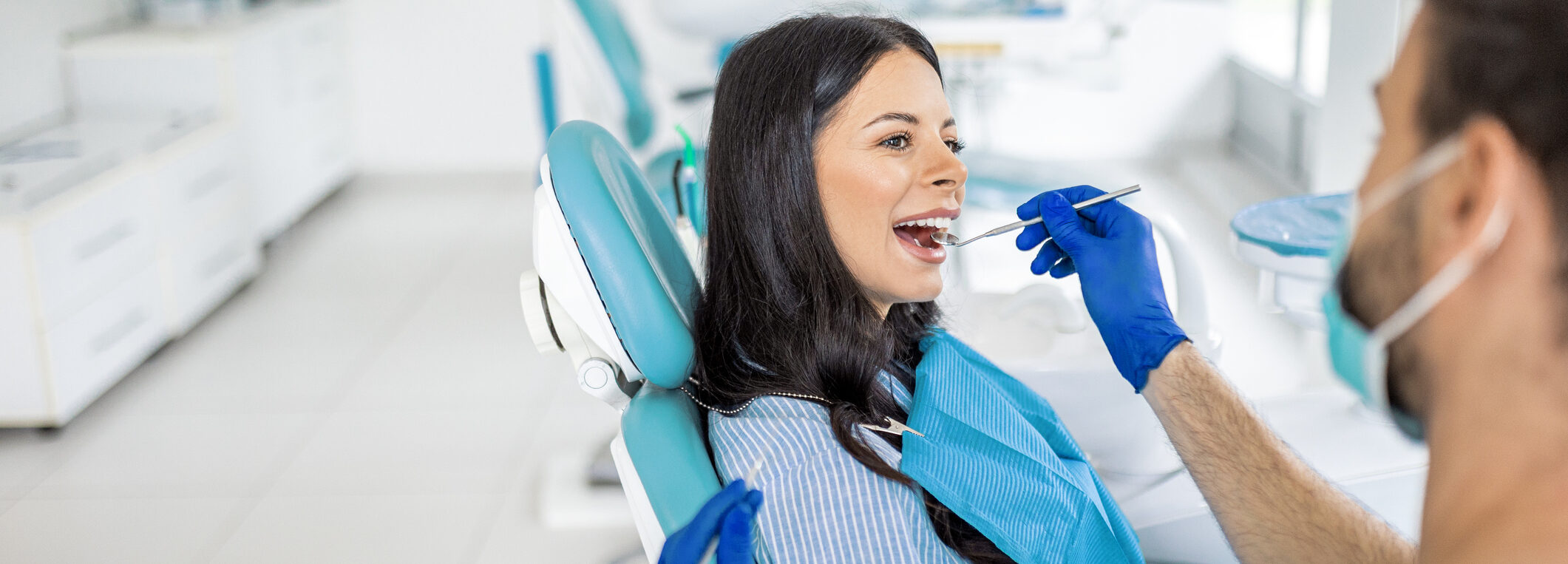
Yes — dental implants are widely regarded as a safe, well-established treatment, with success rates commonly reported in the region of 95–98% in suitable candidates. As with any surgical procedure there are risks, which is why a thorough assessment, CT scan and experienced surgical team are essential to minimising them.
How long have implants been used, and how safe are they?
Titanium dental implants have been used successfully for decades and are considered the gold-standard solution for replacing missing teeth, because titanium is biocompatible and integrates naturally with the jawbone to create a stable foundation. Success rates in suitable candidates are commonly reported at around 95–98%.
What determines whether an implant succeeds?
Success depends on three main things: the density and volume of your jawbone at the site, your general health (including conditions like uncontrolled diabetes or smoking, which can affect healing), and how well the implant is cared for afterwards. This is why a CT scan and full assessment before treatment — not just a visual check — is essential to giving an accurate picture of your candidacy.
What are the risks?
As with any surgical procedure, risks include infection, implant failure to integrate with the bone, and — rarely — nerve or sinus involvement depending on the implant’s position. Experienced surgical planning using CT imaging significantly reduces these risks, which is one reason case volume and specific implant training matter when choosing who treats you.
Who might not be a suitable candidate?
Uncontrolled gum disease, certain uncontrolled medical conditions, heavy smoking, and insufficient bone volume (without grafting) can all affect candidacy. None of these automatically rule implants out — they’re exactly what a consultation and CT scan are designed to assess and, where possible, address beforehand.
Why aftercare matters for long-term safety and success
Implants themselves are resistant to decay, but the gum and bone supporting them are not immune to bacteria. Regular hygiene appointments and daily cleaning are what keep an implant’s success rate high for the long term — just as they would for a natural tooth.
Next step
If you’d like an honest assessment of your own candidacy, book a consultation and CT scan with our implant team at Hallcross Dental, Wigston, Leicester.
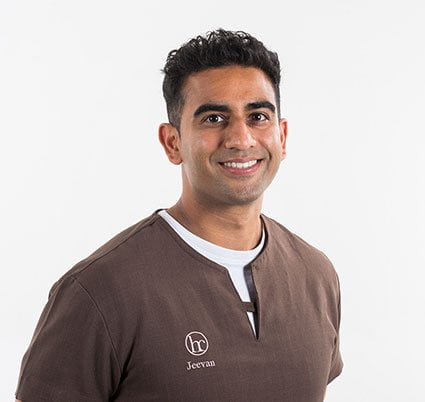
Written by Jeevan
Dentist | GDC: 228365
Jeevan graduated from the University of Birmingham in 2012 and became a director at Hallcross in 2017; he holds ethical practice and high quality dentistry as his core values.
Since graduating he has gained membership into the Royal College of Surgeons of Edinburgh. He has also completed post graduate training in Restorative and Aesthetic dentistry at the prestigious Tipton academy.
In categories: Dental Implants